Decoding the Role of Hydration in Teeth Whitening Success
Understanding the Science Behind Hydration and Tooth Whitening
The relationship between hydration and teeth whitening Macleod extends far beyond simply drinking water during treatment. When individuals undergo cosmetic dental procedures, the intricate balance of moisture within tooth enamel plays a crucial role in determining the final outcome. Dental professionals have long recognised that proper hydration serves as a cornerstone for achieving optimal whitening results, yet many patients remain unaware of this fundamental connection.
Tooth enamel, despite appearing solid, contains microscopic pores that naturally hold moisture. During whitening procedures, these pores temporarily expand as bleaching agents penetrate the tooth structure. This process can temporarily reduce the natural moisture content, potentially affecting both the appearance and comfort of treated teeth. Understanding this mechanism helps explain why some individuals experience sensitivity whilst others achieve remarkably smooth results.
The Dehydration Challenge in Professional Whitening
Professional whitening treatments, including those offered through services like teeth whitening Macleod, involve carefully controlled chemical processes that can temporarily alter the moisture balance within teeth. The active ingredients in whitening gels work by breaking down stain molecules, but this process can also temporarily affect the tooth’s natural hydration levels.
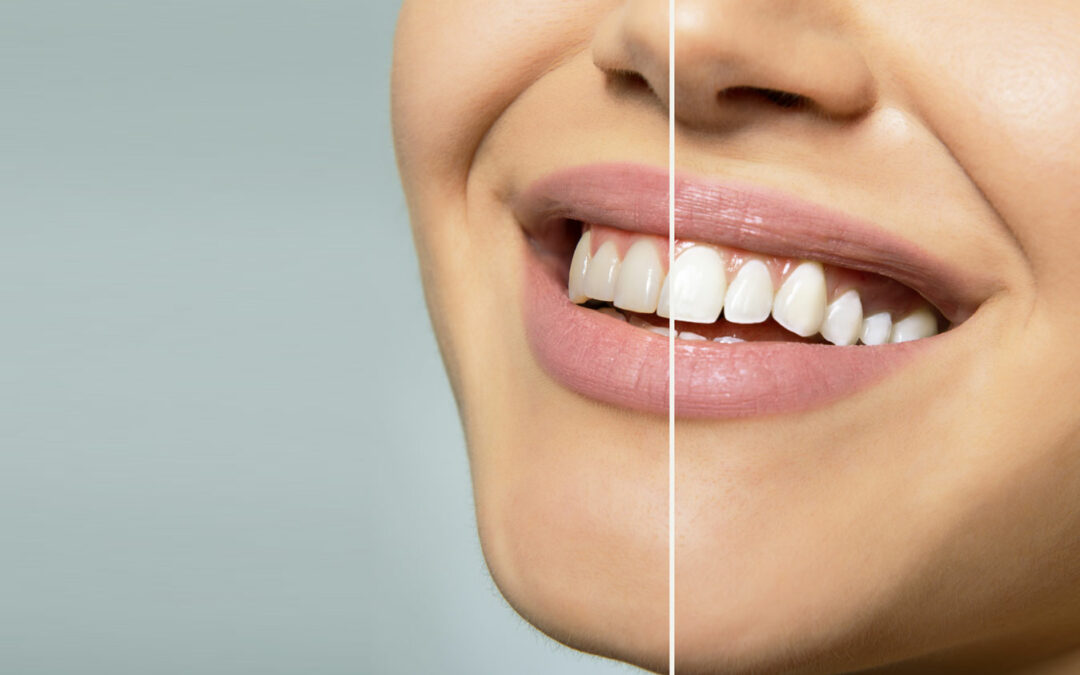
When teeth become dehydrated during treatment, they may appear chalky or unnaturally white immediately following the procedure. This temporary effect occurs because dehydrated enamel reflects light differently than properly hydrated teeth. Fortunately, this phenomenon typically resolves naturally as the teeth rehydrate over the following days.
Signs of Tooth Dehydration
- Temporary increased sensitivity to temperature
- Initial chalky appearance following treatment
- Slight changes in tooth texture
- Heightened awareness of tooth surfaces
Natural Rehydration Processes
The human body possesses remarkable mechanisms for maintaining optimal oral hydration. Saliva production serves as the primary method through which teeth naturally rehydrate following whitening procedures. This biological process typically requires between 24 to 72 hours to fully restore normal moisture levels within the enamel structure.
Saliva contains essential minerals including calcium and phosphate, which not only help rehydrate teeth but also contribute to the remineralisation process. This natural recovery period explains why dental professionals often advise patients to avoid staining substances immediately following whitening treatments, as the teeth remain more porous during this rehydration phase.
Supporting Natural Rehydration
Patients can take several practical steps to support their teeth’s natural rehydration process following whitening procedures. Maintaining adequate overall hydration through regular water consumption helps ensure optimal saliva production. Additionally, avoiding alcohol-based mouthwashes immediately after treatment prevents further dehydration of the enamel surface.
The timing of food and beverage consumption also influences rehydration success. Drinking water after teeth whitening requires careful consideration of timing and temperature to maximise comfort and results. Room temperature water proves gentler on sensitive teeth than very cold or hot beverages during the initial recovery period.
Professional Guidance on Post-Whitening Care
Dental practitioners emphasise the importance of following specific aftercare instructions to optimise hydration recovery. These guidelines typically include avoiding acidic beverages and foods that could interfere with the natural remineralisation process. The temporary porosity of whitened teeth makes them more susceptible to staining agents, making proper hydration management even more crucial.
Understanding proper rehydration techniques following whitening procedures can significantly improve both comfort and aesthetic outcomes. Professional dental teams often provide detailed instructions tailored to individual treatment types and patient needs.
Long-term Hydration Maintenance
Maintaining optimal oral hydration extends beyond the immediate post-whitening period. Regular dental check-ups help monitor enamel health and hydration levels over time. Many patients find that establishing consistent hydration habits improves their overall oral health and helps maintain their whitening results for extended periods.
The science behind tooth rehydration following whitening treatments continues to evolve as researchers develop increasingly sophisticated approaches to cosmetic dentistry. Modern teeth whitening Macleod practitioners incorporate these scientific advances into their treatment protocols, ensuring patients receive comprehensive care that addresses both aesthetic goals and oral health maintenance.
Achieving Lasting Results Through Proper Hydration
The relationship between hydration and teeth whitening Macleod success demonstrates the intricate nature of cosmetic dental procedures. By understanding and supporting the natural rehydration process, patients can optimise their treatment outcomes whilst maintaining excellent oral health. Proper hydration management serves as a foundation for both immediate comfort and long-term aesthetic satisfaction, making it an essential component of any comprehensive whitening strategy.
Any surgical or invasive procedure carries risks. Before proceeding you should seek a second opinion from an appropriately qualified health practitioner.