Understanding Retention: How Post-Braces Care Maintains Your Orthodontic Success
The Journey Beyond Straightened Teeth
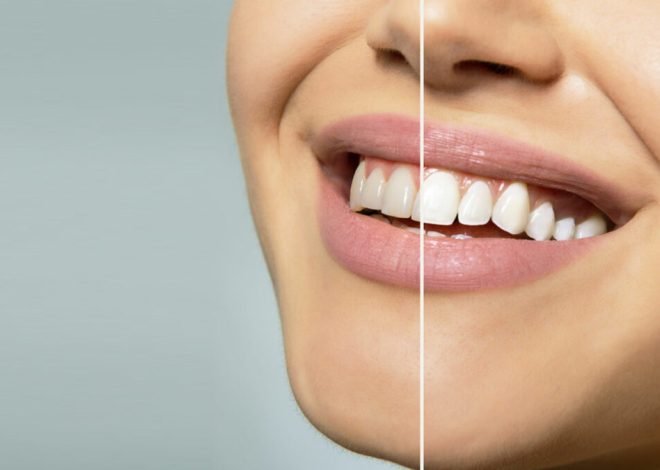
The moment when orthodontic braces are finally removed represents a milestone worth celebrating. After months or even years of adjustments, dietary restrictions, and meticulous oral hygiene routines, patients are thrilled to reveal their transformed smiles. However, this momentous occasion marks not the end of the orthodontic journey, but rather the beginning of an equally crucial phase: retention. Understanding the importance of post-braces care is essential for anyone who has invested time and resources into achieving a beautiful smile.
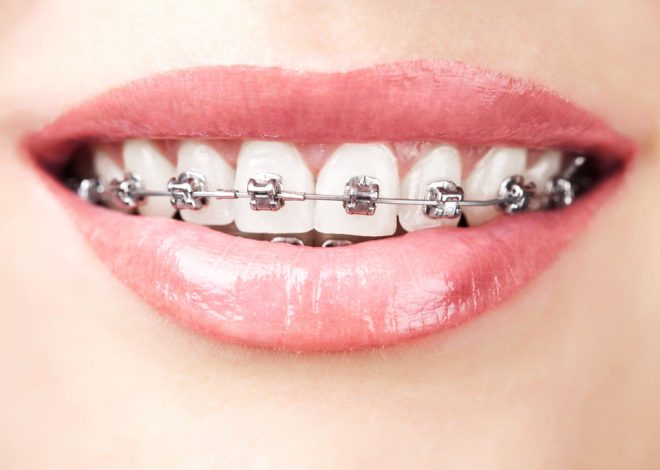
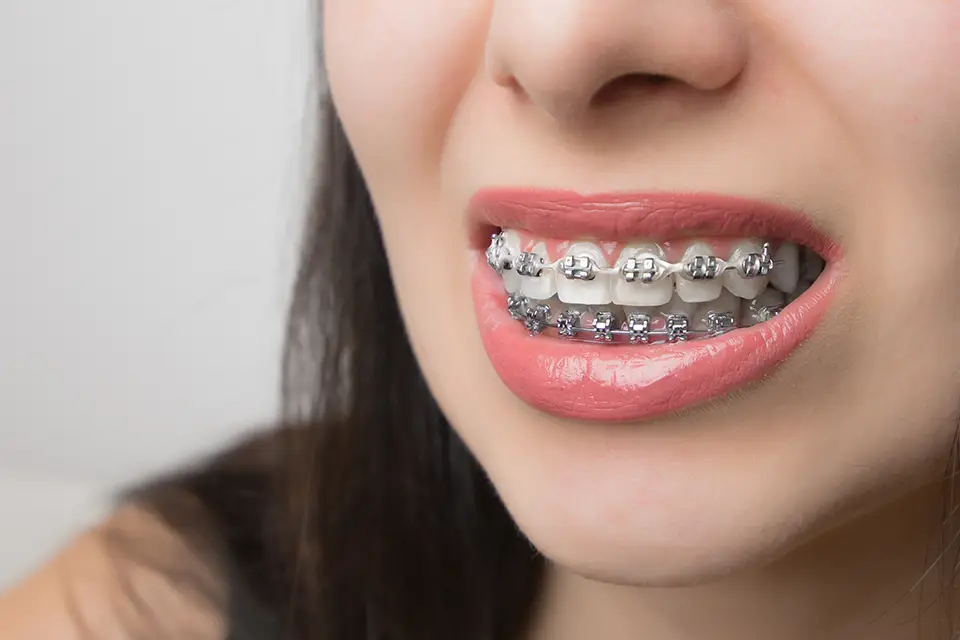
Many patients are surprised to learn that the work doesn’t stop once braces Stoke-on-Trent are removed from their teeth. The retention phase is fundamentally important because teeth have a natural tendency to shift back towards their original positions. This phenomenon, known as relapse, can undo months of careful orthodontic work if proper retention protocols are not followed diligently.
Why Teeth Want to Move
The biological reality of tooth movement is fascinating and somewhat frustrating for those who have completed orthodontic treatment. Teeth are not rigidly fixed in the jawbone; rather, they are suspended in place by a complex network of fibres called the periodontal ligament. During orthodontic treatment, these fibres are stretched and reorganised as teeth move into their new positions. However, these tissues possess a remarkable memory and will attempt to pull teeth back to their original locations if given the opportunity.
Beyond the periodontal ligament, other factors contribute to potential tooth movement. The pressures exerted by the tongue, lips, and cheeks during everyday activities such as speaking, eating, and swallowing can influence tooth position. Additionally, ongoing jaw growth in younger patients and natural age-related changes in adults can affect dental alignment. These realities underscore why retention guidance from orthodontic professionals emphasises the long-term commitment required to maintain results.
Types of Retainers and Their Functions
Removable Retainers
Removable retainers come in several varieties, each designed to maintain tooth position whilst offering patients some flexibility in their daily routines. The Hawley retainer, recognisable by its wire and acrylic construction, has been a trusted option for decades. Clear plastic retainers, often called Essix retainers, have gained popularity due to their aesthetic appeal and comfortable fit.
Fixed Retainers
Fixed retainers consist of a thin wire bonded to the back surface of the front teeth, typically on the lower arch. These permanent retainers offer the advantage of continuous retention without requiring patient compliance. They work silently and invisibly, preventing unwanted tooth movement twenty-four hours a day. Whilst they require careful cleaning techniques to maintain oral hygiene, many orthodontists favour fixed retainers for their reliability in preventing relapse.
Establishing a Retention Routine
Success in the retention phase depends largely on developing consistent habits. Patients must wear removable retainers according to their orthodontist’s specific instructions, which typically involves full-time wear initially, gradually transitioning to night-time use only. Proper retainer care and maintenance procedures are essential to ensure these appliances remain effective and hygienic throughout their lifespan.
Cleaning retainers requires attention to detail. Removable retainers should be brushed gently with a soft toothbrush and mild soap, avoiding hot water, which can warp the plastic. Fixed retainers demand meticulous flossing techniques, often requiring threaders or specialised interdental brushes to clean beneath the bonded wire. Regular dental check-ups allow professionals to monitor both the condition of retainers and the stability of tooth positions.
Common Challenges and Solutions
Patients frequently encounter obstacles during the retention phase. Lost or damaged retainers represent a common setback, potentially allowing teeth to shift before replacements can be fabricated. Maintaining a protective case and establishing a consistent storage routine helps prevent these issues. Some individuals experience discomfort when resuming retainer wear after a period of neglect, which serves as a warning sign that teeth have begun moving.
Compliance can wane as time passes and the memory of wearing braces fades. However, maintaining proper retainer habits remains crucial for years following orthodontic treatment. Setting reminders, keeping retainers visible, and remembering the investment made in achieving a beautiful smile can help sustain motivation.
Preserving Your Investment for Life
The retention phase represents the final and ongoing chapter of orthodontic treatment. Whilst it may seem less exciting than watching teeth gradually align during active treatment, retention is equally vital to long-term success. By understanding the biological factors at play, following professional guidance, and maintaining diligent care routines, patients can ensure their orthodontic results remain stable for decades to come. The commitment to retention is ultimately a commitment to preserving the confidence and health benefits that come with a properly aligned smile.