How Braces Influence Sleep Quality and Nighttime Breathing Patterns
Understanding the Connection Between Orthodontics and Sleep
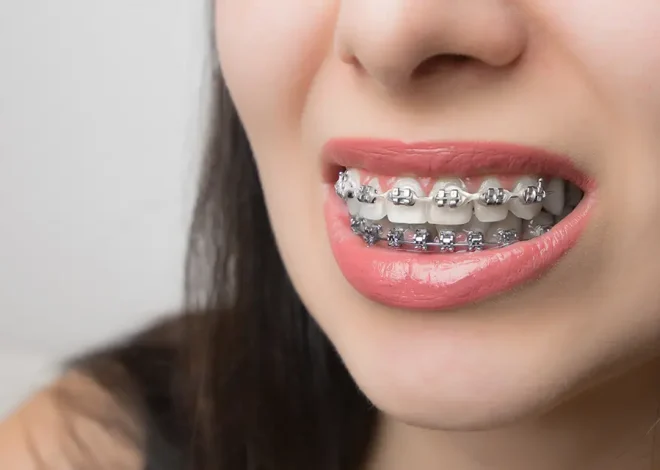
The relationship between orthodontic treatment with treatments such as braces Balwyn and sleep quality represents a fascinating intersection of dental health and overall wellbeing. Whilst many people associate orthodontic appliances primarily with aesthetic improvements and bite correction, their influence extends far beyond straightening teeth. The positioning of teeth, jaw alignment, and airway space all play crucial roles in determining how well individuals breathe during sleep, and orthodontic interventions can significantly impact these factors.
Sleep disturbances affect millions of people worldwide, with breathing difficulties during rest being a common underlying cause. When the jaw structure or dental alignment creates restrictions in the airway, it can lead to snoring, sleep apnoea, and general restlessness throughout the night. Orthodontic treatment addresses these structural concerns, potentially offering relief to those struggling with nighttime breathing issues. The connection between oral structure and respiratory function during sleep has become increasingly recognised within both dental and sleep medicine communities.
How Jaw Position Affects Airway Space
The human airway depends heavily on proper jaw positioning to remain open and unobstructed during sleep. When the lower jaw sits too far back or the upper jaw is too narrow, the tongue and soft tissues have less space and may collapse backwards during sleep. This collapse can partially or completely block the airway, leading to breathing interruptions and reduced oxygen levels throughout the night. Orthodontic treatment works to reposition these structures, creating more favourable conditions for unobstructed breathing.
The Role of Palatal Expansion
Palatal expansion represents one orthodontic approach that can directly influence breathing patterns. By widening the upper jaw, this treatment increases the volume of the nasal cavity, allowing for improved airflow through the nose. Nasal breathing during sleep is considerably healthier than mouth breathing, as it filters, warms, and humidifies the air before it reaches the lungs. Patients seeking a dentist often find that addressing narrow palates can lead to noticeable improvements in their ability to breathe comfortably through their nose at night.
Mandibular Advancement and Sleep Apnoea
For individuals with recessed lower jaws, the tongue naturally sits further back in the mouth, increasing the likelihood of airway obstruction during sleep. Orthodontic treatment approaches for sleep apnoea often focus on advancing the lower jaw forward, which pulls the tongue away from the back of the throat and opens the airway. This repositioning can dramatically reduce snoring and sleep apnoea episodes in suitable candidates.
Orthodontic Appliances Designed for Sleep Improvement
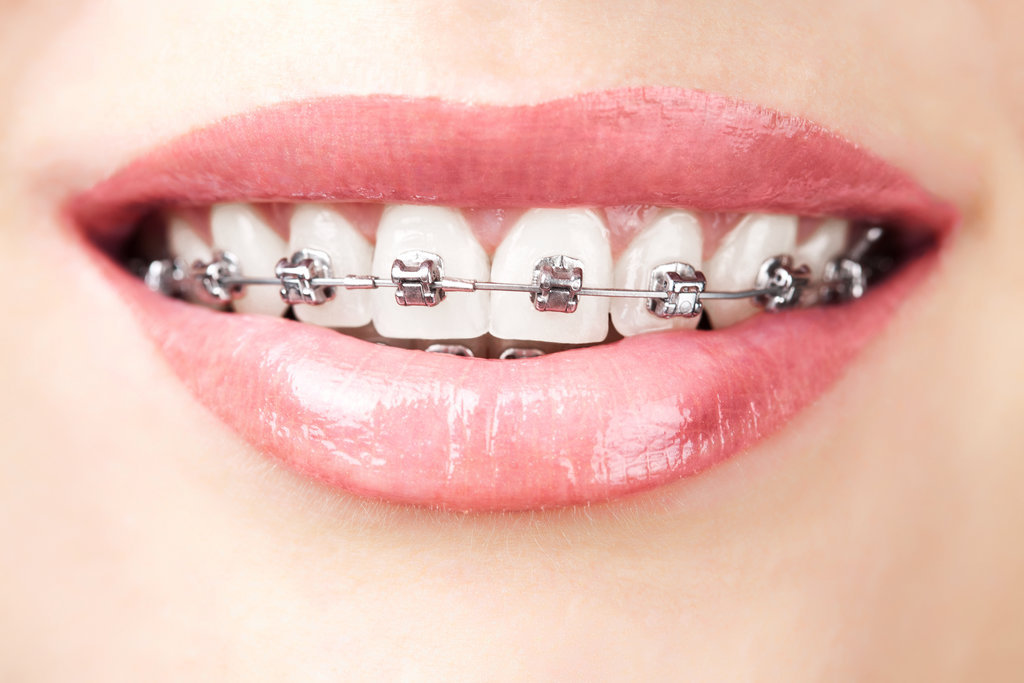
Various orthodontic appliances serve dual purposes, addressing both dental alignment and breathing concerns. Traditional braces can reposition teeth and jaws to create more favourable airway dimensions, whilst specialised appliances target sleep-related breathing disorders more directly. The selection of appropriate appliances depends on individual anatomical considerations, age, and the severity of both orthodontic and sleep issues present.
Fixed Versus Removable Options
Fixed orthodontic appliances work continuously to reshape the dental arches and jaw relationships, providing consistent pressure that gradually alters bone structure. Removable appliances, conversely, offer flexibility and can be designed specifically to hold the jaw in a forward position during sleep. Orthodontic appliances that improve sleep apnoea come in various forms, each suited to different patient needs and treatment goals. The choice between fixed and removable options often depends on the specific structural issues being addressed and patient compliance factors.
Age Considerations in Treatment
Early intervention in children can prevent sleep-related breathing problems from developing or worsening. Growing children possess malleable bone structure that responds well to orthodontic guidance, making it an ideal time to address jaw development issues. Adults, whilst having completed skeletal growth, can still benefit substantially from orthodontic treatment aimed at improving airway space and sleep quality. The biological mechanisms differ between age groups, but improvements remain achievable across the lifespan.
Monitoring Progress and Sleep Outcomes
Assessing improvements in sleep quality during orthodontic treatment requires attention to both objective and subjective measures. Patients often report reduced snoring, fewer nighttime awakenings, and increased daytime energy as treatment progresses. Orthodontics addressing snoring and sleep apnoea requires coordination between dental professionals and sleep specialists to ensure comprehensive care. Regular monitoring ensures that structural changes translate into meaningful improvements in breathing patterns and overall sleep architecture.
Final Thoughts on Orthodontics and Restful Sleep
The influence of orthodontic treatment on sleep quality extends well beyond cosmetic considerations, touching upon fundamental aspects of health and vitality. By addressing structural issues within the jaw and dental arches, dentists can help patients achieve not only straighter smiles but also more restful nights. Understanding this connection empowers individuals to consider orthodontic treatment as a potential solution for sleep-related breathing difficulties, opening pathways to improved wellbeing through comprehensive dental care.
Any surgical or invasive procedure carries risks. Before proceeding you should seek a second opinion from an appropriately qualified health practitioner.